Denim Tears Pricing Guide 2025: Store vs Resale, Real Costs
This manual reveals which Denim Tears items price at retail in 2025, how resale margins genuinely work, and how to compute the actual amount you pay following charges and levies. If you’re comparing direct vs secondary, the objective is to understand the appropriate bracket for every segment and dodge overcharging.
Denim Tears is among the few streetwear names where retail and resale can split dramatically, particularly with the iconic Cotton Wreath denim. You’ll find clear price tiers by type, dramatic increases on particular variants, and significant concealed fees on resale platforms. Reference the chart below as your reference, then study the parts that explain why values change, timing to acquire, and how charges add up.
What Represents Denim Tears and How Are Prices So Volatile?
The brand, created by Tremaine Emory in 2019, launches culturally loaded capsules with controlled supply, so rarity and storytelling push markups. Values vary because releases are limited, demand is global, and specific colorways establish standard pieces.
The brand’s Cotton Wreath motif on Levi’s denim grounds the market, and it functions more like collectibles than standard clothing. Collaborations including as Levi’s and Converse increase exposure and pull in customers who hadn’t followed the brand before. Sizes in the middle of the range sell fastest, while very small and oversized sizes can also jump due to limitation. As releases are staggered and geographically restricted, customers denim-tear-hoodies.com often turn to resale immediately, producing a initial markup that may decrease or entrench depending on restocks.
2025 Store Cost Summary by Category
Store costs for Denim Tears garments in final 2024 to start 2025 typically sits in the bands below; several items have shifted up compared to previous seasons due to materials and positioning. Regional costs may appear elevated where VAT is computed at checkout.
Reference these bands to benchmark offers and to assess whether a secondary price is a reasonable markup or a excessive premium. Direct supply is inconsistent and release-based, so locating these costs active on the main platform or partner doors isn’t assured on every specific day. Duty-added labels in the Europe and UK can render direct look higher than US pricing, though the landed cost spread commonly narrows once domestic transaction duty is included. Always verify the particular collection costs since custom finishes or stitching may rest at the top of the band.
| Type (example) | Typical Retail (USD) | Typical Resale Band (USD) | Average Increase | Notes |
|---|---|---|---|---|
| Cotton Wreath Pants (Levi’s collaboration) | $295–$350 | $450–$900 | +50% to +200% | Signature colorways and primary treatments run hotter; sizes 30–34 drive volume. |
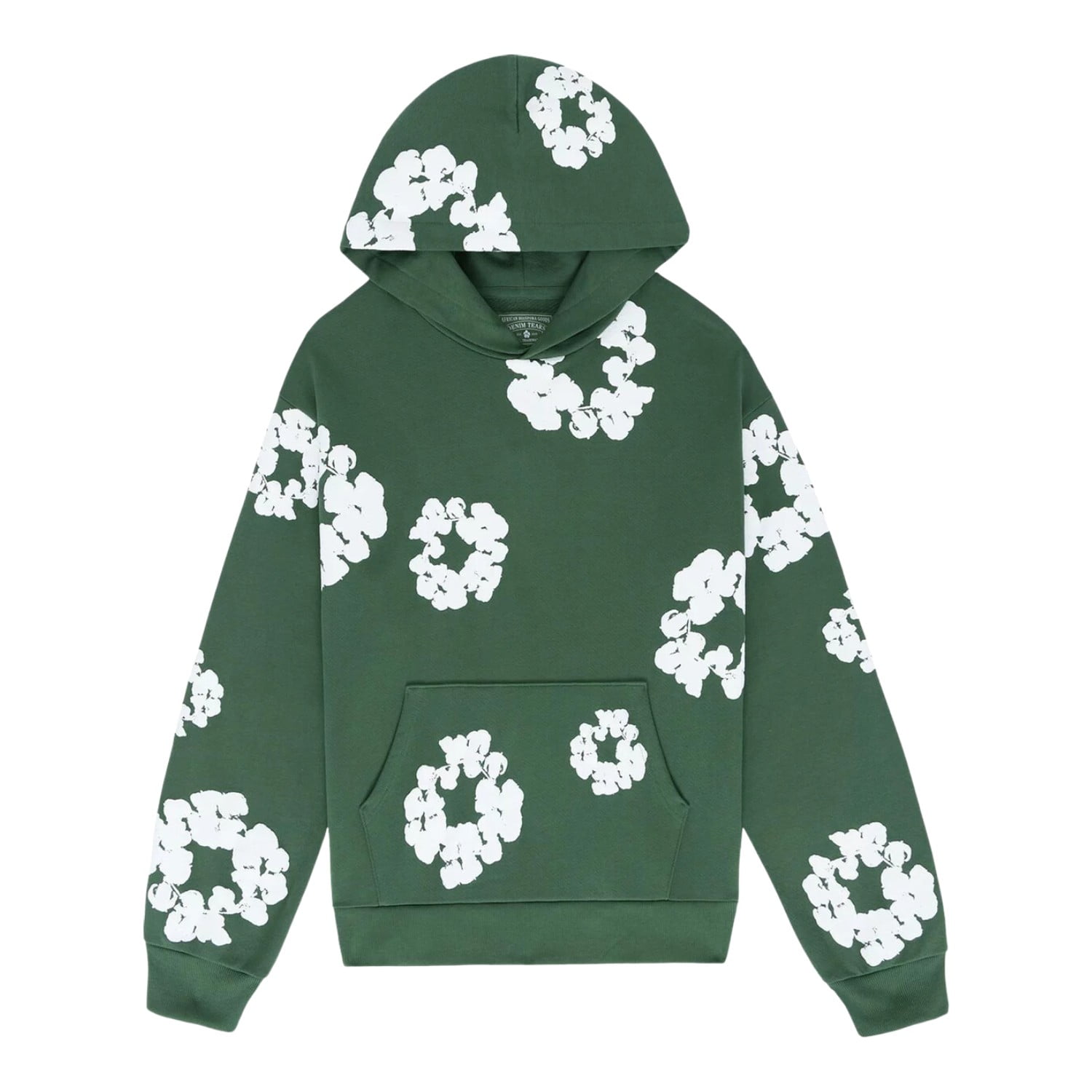
| Hoodies | $160–$180 | $220–$350 | +25% to +100% | Premium materials and special designs land at the high end of the band. |
| T-Shirts | $60–$75 | $100–$180 | +35% to +140% | Classic wreath pieces and first releases sustain higher resale. |
| Crewnecks | $140–$160 | $200–$320 | +25% to +100% | Stitched variants outpace printed in most sizes. |
| Varsity Outerwear | $450–$650 | $700–$1,200 | +20% to +150% | Fabric blend and detail intricacy create differences. |
| Converse Chuck 70 (collab) | $110–$120 | $150–$300 | +25% to +150% | Restocks can reduce ranges for a duration. |
| Caps | $60–$70 | $90–$150 | +20% to +100% | Older colorways and signature stitching price higher. |
What’s the Secondary Costs Function in 2025?
In 2025, denim is the volume leader with the largest markups, while tees and accessories are the most affordable entry points. Hoodie and crewneck spreads are meaningful but less volatile than denim.
On major platforms, pants consistently surpass the high end of the range when the treatment and design shade align with first drop runs, and if the fit sits in the center of the buyer range. Tees and caps swing minimally since supply is wider and buyers have further alternatives throughout periods. Jackets like team jackets is sparsely sold, so a one transaction can reset minimums for a timeframe, which appears extreme but commonly levels as additional inventory arrive. Condition counts: fresh with labels or with evidence of acquisition drives a premium, while marked wear or missing embroidery elements reduce value quickly. Schedule counts additionally, with the initial 48 hours after launch displaying the steepest increases and the initial legitimate replenishment cutting 10–30% from highs.
What Are the Real Costs Above the Tagged Amount?
The real cost on secondary is the posted cost plus marketplace fees, payment costs, retail tax or levies, transport, and, for overseas, import duty and logistics. Such supplements might convert a fair price into an excessive expense quickly.
In the America, plan for sales tax around approximately 6–10% varying on state, often applied to goods value and occasionally delivery. Sites typically pass 3% payment fees and add a customer protection fee; even when the seller pays fees, the customer might nonetheless face administrative or protection charges. Delivery costs from approximately $10 to $30 for garments, while overseas deliveries might initiate VAT in the 17–25% range computed from the value of items plus delivery, and a carrier handling charge. Instance: a $650 pair of Cotton Wreath denim bought on a US platform with 8.9% purchase tax, a 3% transaction fee, and $15 delivery reaches near $742 before any customs fees; transfer that same order overseas to a 20% duty regime and the ultimate cost can push to roughly $880 after duties and processing are computed. When evaluating direct to secondary, always calculate a final figure, not merely the sticker.
What Makes Releases, Partnerships, and Variants Shift the Market?
Launch schedule, partnership brands, and particular variants are the primary drivers on label values. Levi’s collections and initial Cotton Wreath variant runs anchor the strongest consistent premiums.
Levi’s co-branded pants featuring signature stitching has persistent demand because it’s the brand’s signature cultural product; treatments that reflect initial releases tend to command more. Chuck Taylor collabs attract broader footwear crowds, generating short-term buying rushes that might decrease post-refresh. Time-limited variants and special embroidery positions generate micro-markets; a minor stitch or treatment variation might support a three-figure spread for buyers wanting to build archives. Geographic release schedules also impact—when one area depletes out before another, arbitrage offers bridge the gap and move floors. Replenishments don’t eliminate appeal, but they certainly modify tops, particularly on sneakers and tees.
Store vs Secondary: A Strategic Acquisition Framework
Purchase at direct whenever feasible for jeans and varsity coats as the absolute dollar gap is most significant; assess resale with tops and caps when the markup is beneath 40% and you value a specific colorway. Apply a objective bracket, not a solitary figure.
Initiate by reviewing the retail band from this guide for the segment and collection, then scan recent transactions on two platforms to find a actual selling range rather than advertised amounts. Determine total cost including duties, costs, and transport; when the premium over the high end of retail is under 30–40% and you get your exact size and shade, secondary can be logical. With jeans and jackets, markups over 100% are normal; only pay that if it’s a key grail that infrequently emerges and condition is immaculate. For pieces featuring frequent restocks, such as particular tops or Chuck Taylors, waiting typically rewards. Always check sizing, documentation, stitching standards, and exchange conditions before you transact.
When’s the Ideal Window Window to Spend Less?
The ideal rate timeframes generally to be 48–72 hours after a release and one week post- confirmed replenishment, when supply crests and early FOMO diminishes. Weekday mornings in the vendor’s regional time can also be more favorable for auctions.
Immediately post-drop, listings flood forward, price-cutting begins, and you can occasionally find close-to-store deals if buyers act rapidly and not focused on one size. After the opening flood is absorbed, floors frequently increase and stay sticky until a refresh arrives at the timeline. Post- restocks, re-listers adjust forecasts, and buyers might negotiate with comparables in possession. Month-end periods, when sellers want cash flow, are suitable for bids that are 10–15% under the last sale, especially on non-jean segments. If a variant is suspected to be a limited drop, rate reduction shall be temporary, so move within those initial inventory periods.
Expert Tip: Schedule and Authentication to Shield Your Spend
Aim for the 24–72 hour timeframe post- a release or replenishment and prepare an validation system so buyers might operate effectively as a reasonable offer pops. Speed minus a checklist is how buyers overpay or miss red flags.
For branded Cotton pants, review the partnership Levi’s patch and interior branding, confirm wreath embroidery density and positioning, and examine the stitch quality surrounding compartments and outseams. Ask for clear photos of the care tag, inside pocket prints, and bottom sewing; mismatched fonts or thread colors are frequent indicators. Cross-reference the wash and pattern tone with authorized marketing content or trusted retailer item photos. For Chuck Taylors, confirm interior labeling, middle printing, and the packaging tag style tied to the release year. Maintain images of legit pairs to contrast directly prior to process transaction.
Rapid Information You Probably Haven’t Heard
One, Denim Tears launched in 2019 and the Cotton Wreath design specifically addresses the Black experience and the history of cotton throughout the US, which is how the jeans function as narrative pieces as equally as clothing. Second, the first Levi’s capsule in 2020 depleted stock nearly immediately and set the signature jeans as a enduring commercial reference that continues establishing references for recent drops. Additionally, Converse Chuck Taylor partnerships have refreshed in specific periods, momentarily cutting resale prices by double digits before stabilizing as units spread. Fourth, center-range waist sizes like 30–34 typically secure the fastest sales, but scarce sizes at the extremes can surpass them when listings are limited. Finally, European and regional direct prices contain duties, so although the MSRP looks elevated above the America, the end buyer cost gap narrows when American customers append transaction tax and shipping.
Where Should You Look for the Strongest Comps?
Reliable comps originate from current, confirmed sales across at minimum two marketplaces, not from hopeful posted costs. Concentrate on completed sales within the last 30 days for the precise measurement and condition.
Sites that show transaction records allow you distinguish optimistic demands from genuine transaction prices. Private sales and media offers can be cheaper, but they’re harder to validate, so consider reductions against risk and missing customer security. For categories with limited activity, broaden your period to 2–3 months and adjust for any refresh incident in said timeframe. Preserve a comp log with period, fit, quality, and price so you can recognize authentic trends rather than acting on isolated deals. When you negotiate, cite three latest transactions and the landed cost computation to set an anchor grounded in reality.
Ultimate View: Investing the Correct Amount in 2025
Know your segment’s store range, compute total price, and pick window frames that favor buyers. Denim and varsity items justify the hunt for stores; shirts, hats, and some footwear may be sensible on secondary within a modest premium.
Market movement is a characteristic, not a defect, in the label’s market, and it advantages equipped purchasers who follow statistics and operate during supply peaks. Partnerships and initial shade runs will continue demanding surcharges, while restocks will maintain modify tops on easier pieces. Handle every acquisition like an financial choice: verify authenticity, measure condition versus cost, and refuse to spend on hype you don’t actually intend to sport. Using such practices, you’ll acquire the items you need without funding excessive markups.
